A great sweat towel is one of those small upgrades that makes a surprisingly big difference on the bike. The wrong one leaves you slipping, dripping, and frustrated. The right one keeps you focused, dry, and riding at your best. We’ve rounded up the five best options for Peloton riders in 2026 — across every budget, material type, and riding style.
Why Your Towel Choice Matters on a Peloton
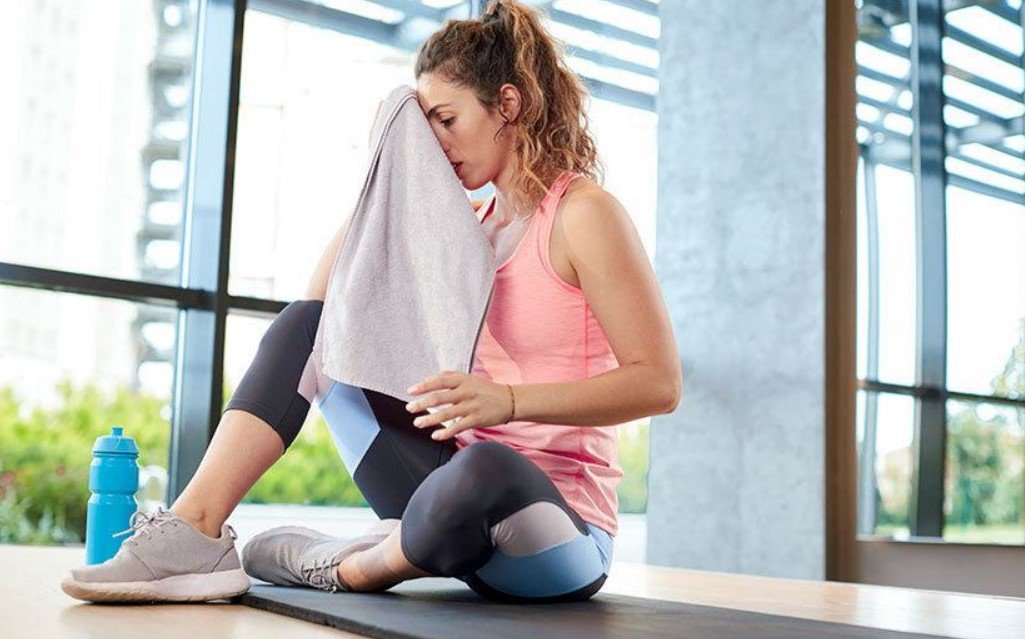
Anyone who has done a 45-minute Power Zone ride or a high-intensity HIIT class knows: Peloton workouts make you sweat. A lot. And when sweat drips onto the screen, handlebars, or flywheel, it’s not just uncomfortable — it can be genuinely damaging to your bike over time and a safety hazard on the handlebars.
Beyond protecting your equipment, having the right towel close at hand improves your riding experience in subtle but real ways. You don’t break your cadence wiping your face. You stay more focused. Your grip stays secure. And when the class is over, cleanup takes seconds instead of minutes.
Quick note: Peloton itself recommends placing a towel over the handlebars and screen during rides to protect them from sweat corrosion. A proper gym towel isn’t just a comfort item — it’s a maintenance tool for your investment.
What to Look for in a Peloton Sweat Towel
Not all towels are created equal, especially when it comes to high-sweat indoor cycling. Here’s what separates a great Peloton towel from an ordinary one:
Absorbency
The primary job. Microfiber and bamboo materials absorb several times their weight in moisture and dry faster than cotton alternatives.
Size
For Peloton, a mid-size gym towel (roughly 16″×27″ to 20″×40″) is the sweet spot — large enough to drape over bars, compact enough to not be a nuisance.
Quick-Dry Speed
A towel that stays wet and heavy mid-ride is annoying. Look for towels that describe themselves as quick-dry — microfiber excels here.
Texture & Softness
Your face will thank you for a soft towel. Avoid anything scratchy — some microfiber towels are rough on skin. Read reviews specifically mentioning face use.
Antimicrobial Properties
Sweat towels used repeatedly between washes can develop odor quickly. Bamboo-based towels and some treated microfiber options resist odor-causing bacteria naturally.
Value
You don’t need to spend a fortune. Several excellent Peloton towels exist under $20. Multi-packs offer great per-towel value for frequent riders.
Top 5 Best Sweat Towels for Peloton Riders (2026)
These picks were selected based on rider reviews, material quality, size suitability for Peloton use, and overall value. Whether you ride daily or three times a week, there’s a perfect towel on this list for you.
Rainleaf Microfiber Towel
The Rainleaf Microfiber Towel has become a cult favorite among Peloton riders, and for good reason. It absorbs moisture at a rate that genuinely surprises first-time users — the ultra-fine microfiber weave pulls sweat off skin instantly and holds it without feeling soggy. Despite its impressive absorbency, it stays lightweight throughout the ride.
Available in a generous range of sizes (the medium, 20″×40″, is ideal for Peloton use) and a wide palette of colors, this towel also drapes cleanly over handlebars and the top tube without sliding. It packs down small, dries within 30 minutes after washing, and holds up remarkably well after dozens of wash cycles. At its price point, it’s hard to beat.
✓ Pros
- Exceptional absorbency for the price
- Dries extremely fast between uses
- Soft and gentle on skin
- Lightweight — barely noticeable on bars
- Durable through repeated washing
- Wide color and size selection
✗ Cons
- Can feel slightly “grabby” on some skin types initially
- No antimicrobial treatment
- May develop odor faster than bamboo options
Cariloha Bamboo Sport Towel
If softness is your top priority — or if you’ve ever had microfiber feel scratchy against your face mid-sprint — the Cariloha Bamboo Sport Towel is the answer. Made from viscose bamboo, it has an almost silky texture that feels noticeably more luxurious than typical gym towels. It’s the kind of towel that makes wiping your face during a hard climb feel like a reward rather than a necessity.
Bamboo’s natural properties also give this towel a built-in advantage: it’s naturally antimicrobial, meaning it resists the bacteria and odors that plague heavily-used sweat towels between wash days. For riders who prefer not to wash their towel after every single class, this is a significant perk. It’s pricier than the Rainleaf, but the comfort and odor resistance justify the premium for daily riders.
✓ Pros
- Exceptionally soft — luxurious feel on skin
- Natural antimicrobial / odor resistance
- Eco-friendly and sustainable material
- Stays fresh longer between washes
- Good absorbency despite soft texture
✗ Cons
- More expensive than standard microfiber
- Slower to dry than pure microfiber
- Fewer color options
AmazonBasics Gym Towel (3-Pack)
For riders who want reliable performance without the premium price tag, the AmazonBasics Gym Towel 3-pack is the straightforward choice. At roughly $15–$18 for three towels, the per-towel cost is hard to argue with. Each towel measures around 14″×25″ — a touch smaller than some competitors but a perfectly practical size for Peloton use, especially if you like to keep one on the handlebars and one nearby.
The microfiber construction handles sweat well and dries quickly. These aren’t the softest towels on the list, but for the price they punch well above their weight. They’re especially popular among riders who like having a dedicated rotation of Peloton towels that they wash together each week — grab a fresh one every ride without worrying about cost.
✓ Pros
- Unbeatable value — ~$5 per towel
- Great for building a rotation
- Reliable absorbency and quick-dry
- Easy to replace without guilt
- Washes consistently well
✗ Cons
- Smaller size than premium options
- Rougher texture — not the best for face use
- No antimicrobial properties
- Prone to odor without regular washing
TOPLUS Gym Towel (Extra Large)
Some riders just sweat more — a lot more. If you finish a 30-minute ride looking like you jumped in a pool, a standard-size gym towel simply isn’t going to cut it. The TOPLUS Extra Large Gym Towel (available in sizes up to 32″×63″) is the go-to recommendation for heavy sweaters who want full coverage and maximum absorbency throughout an entire class without needing to switch towels.
Despite its larger dimensions, the TOPLUS uses a fine-weave microfiber that keeps it surprisingly light and fast-drying. It wraps around the handlebars generously, drapes over the seat area, or simply stays folded nearby for heavy-duty use. The corner snap feature on some versions is a thoughtful touch — it keeps the towel secure on gym bag straps and hooks so it doesn’t drag on the floor between rides.
✓ Pros
- Large enough for heavy sweaters
- Stays light despite big size
- Convenient corner snap hook
- Quick-dry despite volume
- Good value for the size
✗ Cons
- Bulkier to store or pack
- Overkill for moderate sweaters
- No antimicrobial treatment
Manduka Yogitoes Skidless Towel
Originally designed for hot yoga, the Manduka Yogitoes Skidless Towel has earned a devoted following among Peloton riders who want a premium, long-lasting product they’ll use for years. Made from 100% recycled plastic bottles (a genuinely impressive sustainability claim), it features silicone nubs on the underside that grip surfaces and prevent slipping — a feature that works just as well draped over a Peloton seat or handlebar as it does on a yoga mat.
The towel is Bluesign certified and OEKO-TEX Standard 100 certified, meaning it’s free from harmful chemicals — a meaningful detail for riders with sensitive skin. It’s the most expensive option on this list by a margin, but for riders who view it as a long-term gear investment rather than a consumable, the Manduka is in a class of its own. Multiple riders report using theirs for 3–5 years with no degradation in performance.
✓ Pros
- Exceptional long-term durability
- Silicone nubs prevent slipping
- Made from 100% recycled bottles
- Chemical-free and skin-safe certifications
- Gets better with more moisture (like yoga)
✗ Cons
- Significantly more expensive
- Silicone nubs add texture — not for everyone
- Needs moisture to “activate” full grip
- Large/long — may be more than needed
Quick Comparison Table
Here’s a side-by-side look at all five towels to make your decision easier.
| Towel | Material | Size | Price (approx.) | Best For |
|---|---|---|---|---|
| Rainleaf Microfiber | Microfiber | 20″×40″ | ~$12–$16 | Best all-rounder |
| Cariloha Bamboo Sport | Bamboo Viscose | Multiple | ~$25–$38 | Sensitive skin / odor resistance |
| AmazonBasics (3-Pack) | Microfiber | 14″×25″ | ~$15–$18 / 3pk | Budget buyers / rotation |
| TOPLUS Extra Large | Microfiber | Up to 32″×63″ | ~$18–$25 | Heavy sweaters |
| Manduka Yogitoes | Recycled Polyester | 71″×24″ | ~$68–$80 | Premium / long-term investment |
How to Care for Your Cycling Towel
Even the best sweat towel will degrade quickly with poor care. A few simple habits will keep your towel performing like new for much longer.
Wash after every ride — or every two: Sweat towels absorb body oils, bacteria, and moisture. Leaving a damp towel bundled up for more than a day or two is the fastest path to permanent odor. For daily riders, washing every ride is ideal. For 2–3 times per week riders, every other ride is the practical minimum.
Skip the fabric softener: This is the most common mistake people make with microfiber towels. Fabric softener coats the fibers, reducing their ability to absorb moisture. Wash microfiber in plain detergent — a small amount goes a long way.
Wash separately from cotton: Cotton fibers shed lint that sticks to microfiber weaves and clogs them over time. When possible, wash your microfiber towels together and separately from cotton items.
Air dry when possible: Microfiber and bamboo towels dry very quickly on their own. Tumble drying on low is generally fine, but high heat can damage the fibers over time and cause pilling. Air drying extends towel life significantly.
Pro tip: After a ride, hang your towel open on a hook or bar rather than leaving it folded or balled up. It’ll be completely dry by your next ride and smell significantly fresher.
Frequently Asked Questions
Final Verdict
Our Recommendations at a Glance
For most riders: The Rainleaf Microfiber Towel is the clear best-all-around pick. At under $16, it delivers performance that rivals towels costing twice as much — fast-drying, highly absorbent, and soft enough for face use.
For sensitive skin or odor concerns: The Cariloha Bamboo Sport Towel earns its premium price with a silky feel and natural antimicrobial properties that keep it fresh between washes.
On a budget: The AmazonBasics 3-Pack is the smart choice for riders who want a reliable weekly towel rotation without overthinking it. ~$5 per towel, solid performance, no fuss.
For heavy sweaters: The TOPLUS Extra Large covers more ground — literally — and keeps up with even the sweatiest back-to-back ride days.
For the long haul: If you want to buy once and never think about it again, the Manduka Yogitoes is the investment piece. Eco-certified, grip-enhanced, and built to last years of daily riding.